
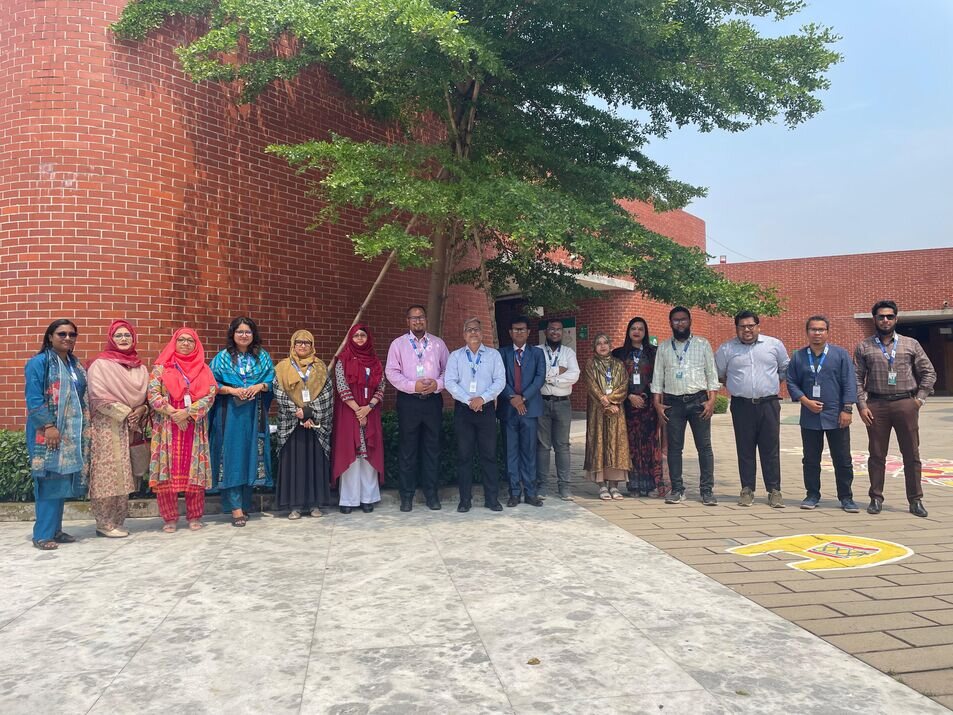
Green Business School Facilitated Workshop on “Optimizing Course File Submission in Alignment with BAC Rubric-Based Evaluation Criteria
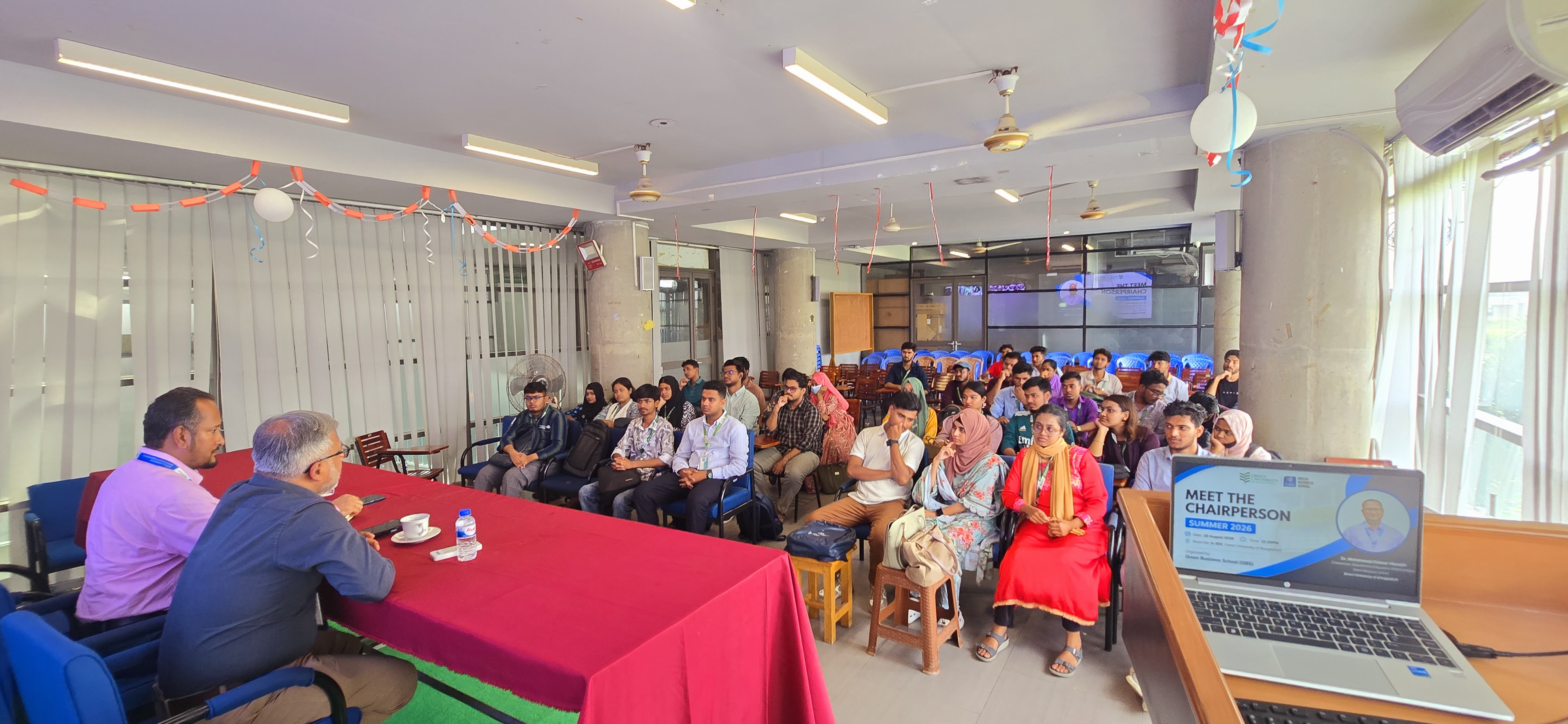
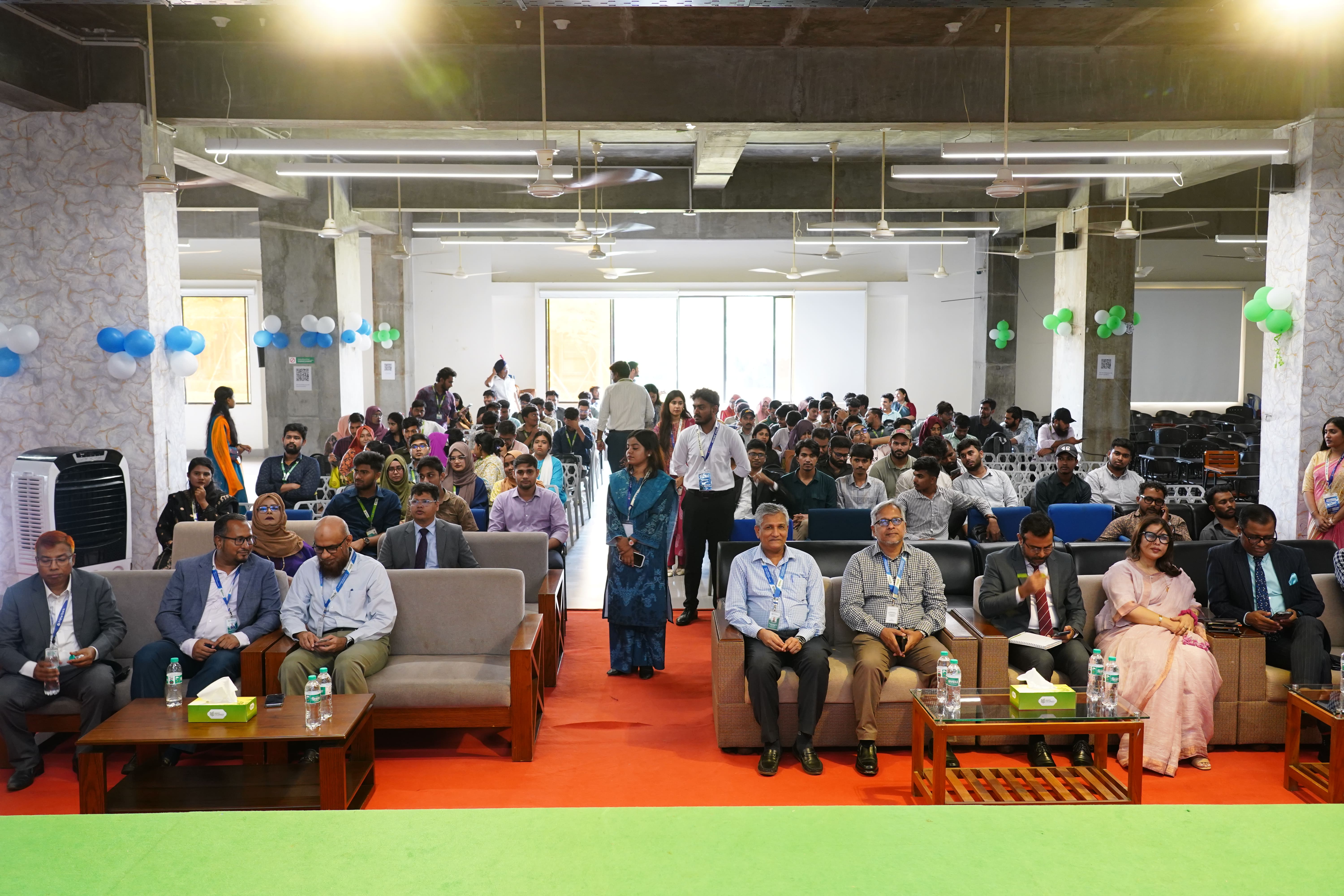
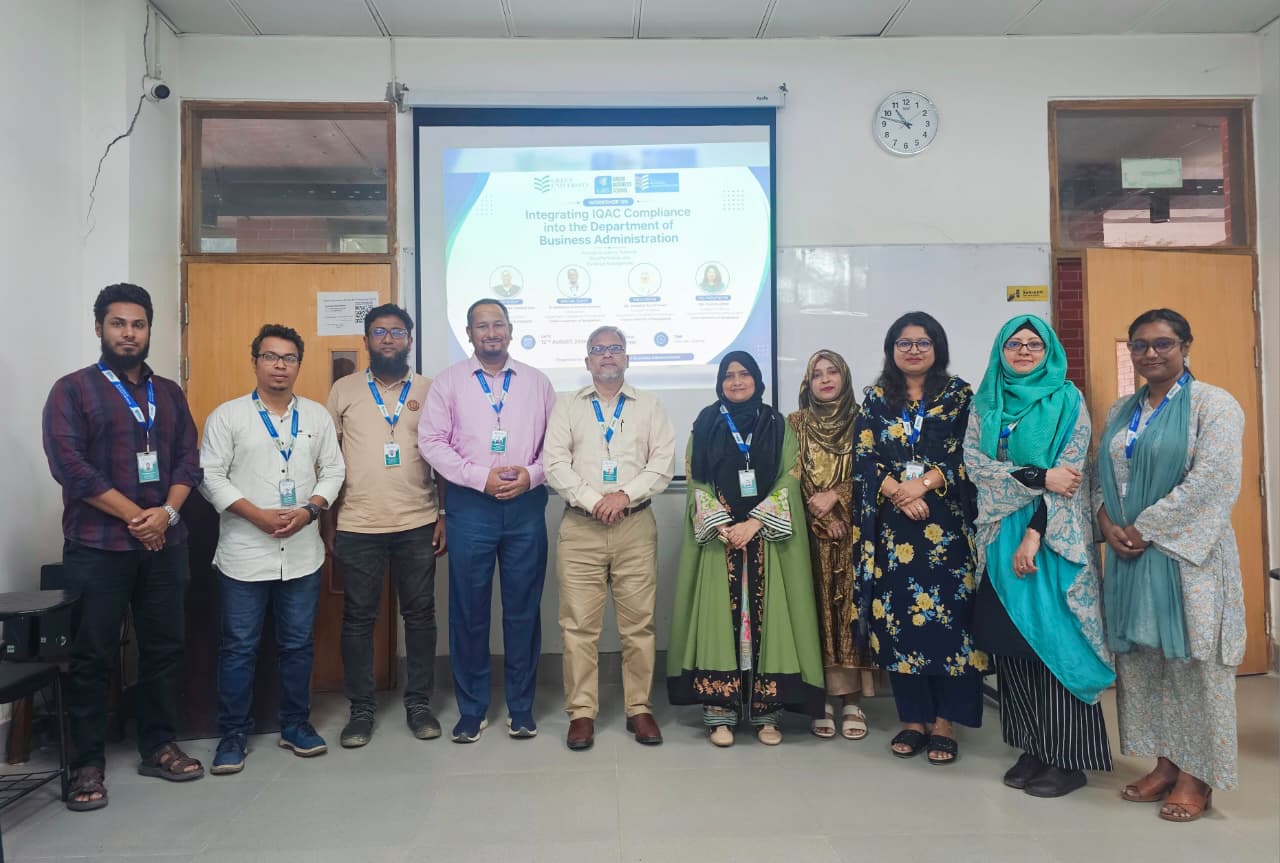
May 03, 2026 – The Department of Business Administration (DBA) at Green Business School (GBS), Green University of Bangladesh, successfully organized a day-long workshop titled “Optimizing Course File Submission in Alignment with BAC Rubric-Based Evaluation Criteria.” This workshop was conducted as part of the department’s ongoing commitment to the Bangladesh Accreditation Council (BAC)’s quality assurance requirements. The purpose of the workshop was to help faculties to close the gap between traditional ways of documenting courses and the structured rubrics used by BAC to evaluate courses for accreditation.
The workshop commenced at 10:00 AM, followed by the inaugural address delivered by Dr. Mohammad Delwar Hussain, Chairperson of the Department of Business Administration. In his opening remarks, he highlighted the strategic importance of aligning course file documentation with the BAC’s rubric-based evaluation framework, emphasizing that systematic and well-structured course files are not merely administrative requirements but essential academic instruments for ensuring quality assurance, transparency, and continuous improvement in teaching and learning. He further highlighted the academic priority of preparing course files with accuracy, completeness, and proper evidence of learning outcomes, stressing that timely submission is critical for effective internal review and external accreditation processes. Dr. Hussain also encouraged faculty members to adopt a proactive and reflective approach in maintaining course documentation, as it plays a vital role in demonstrating curriculum effectiveness, assessment integrity, and institutional accountability in line with BAC standards.
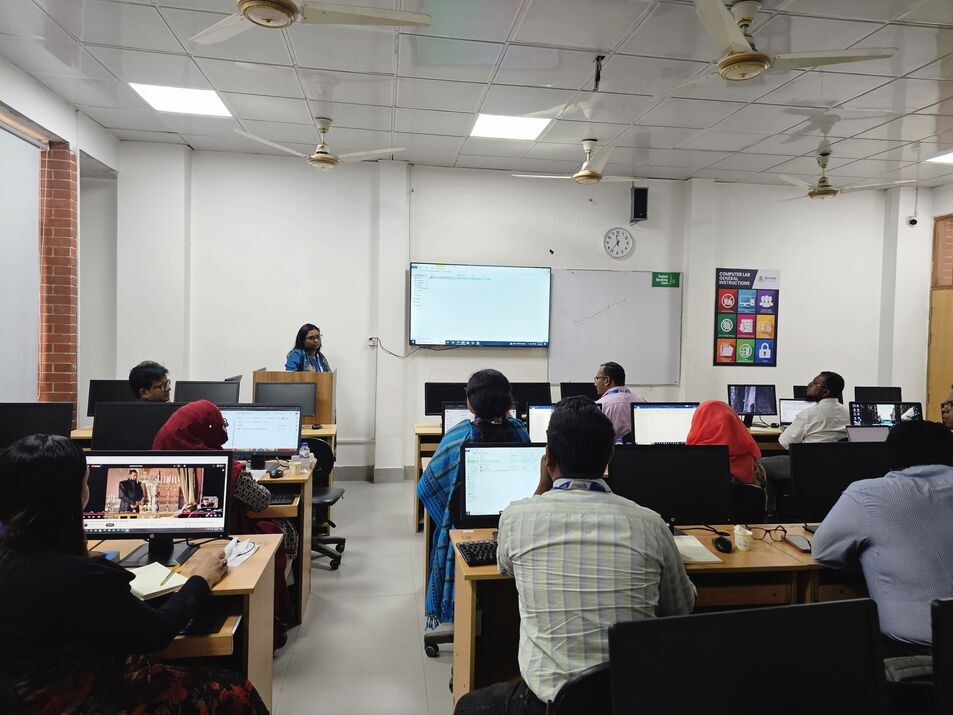
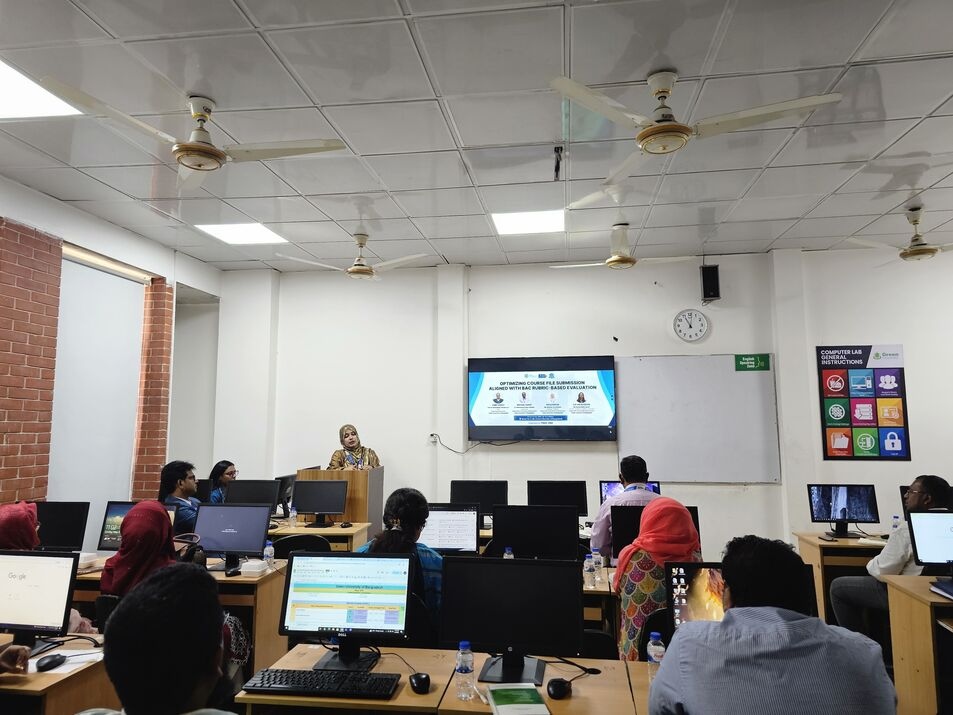
The first technical session, conducted by Ms. Sumaya Binta Junnat, Lecturer and Assistant Program Coordinator, provided a detailed, hands-on demonstration of course file submission in accordance with BAC requirements. She outlined the full structure comprising 17 mandatory documents and systematically explained how each component should be properly developed and organized to meet accreditation standards. This was followed by an interactive session led by Ms. Showkat Ara Khanam, Assistant Professor and Head (PSAC-BBA), who focused on the rubric-based evaluation framework. She elaborated on the assessment criteria, clarifying how marks are allocated based on the degree of alignment with BAC guidelines, thereby enabling participants to better understand how to optimize their documentation for maximum evaluation outcomes.
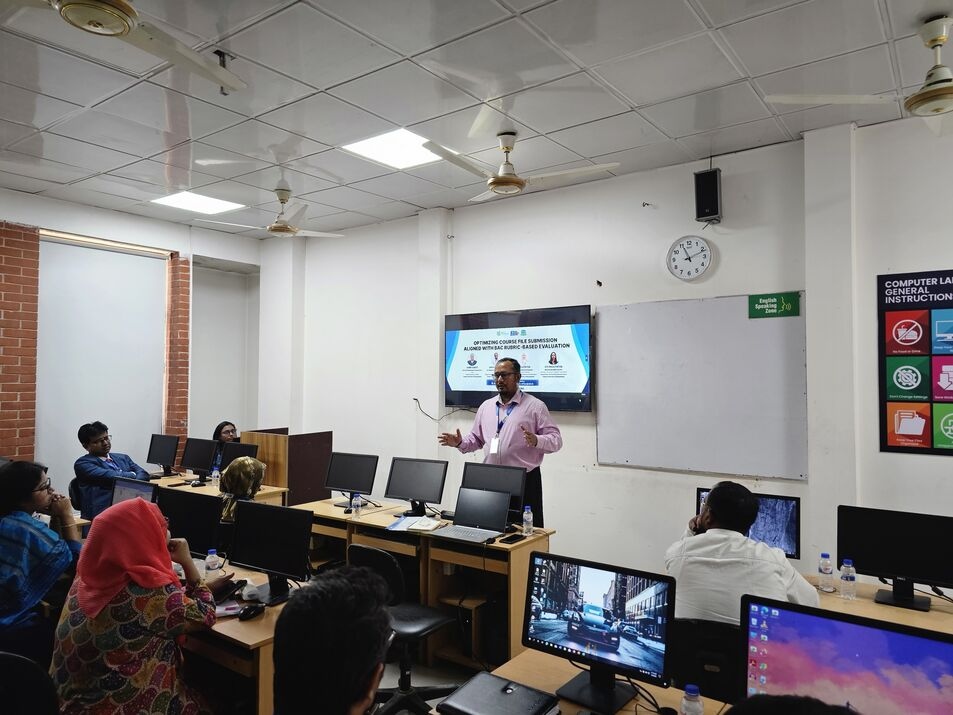
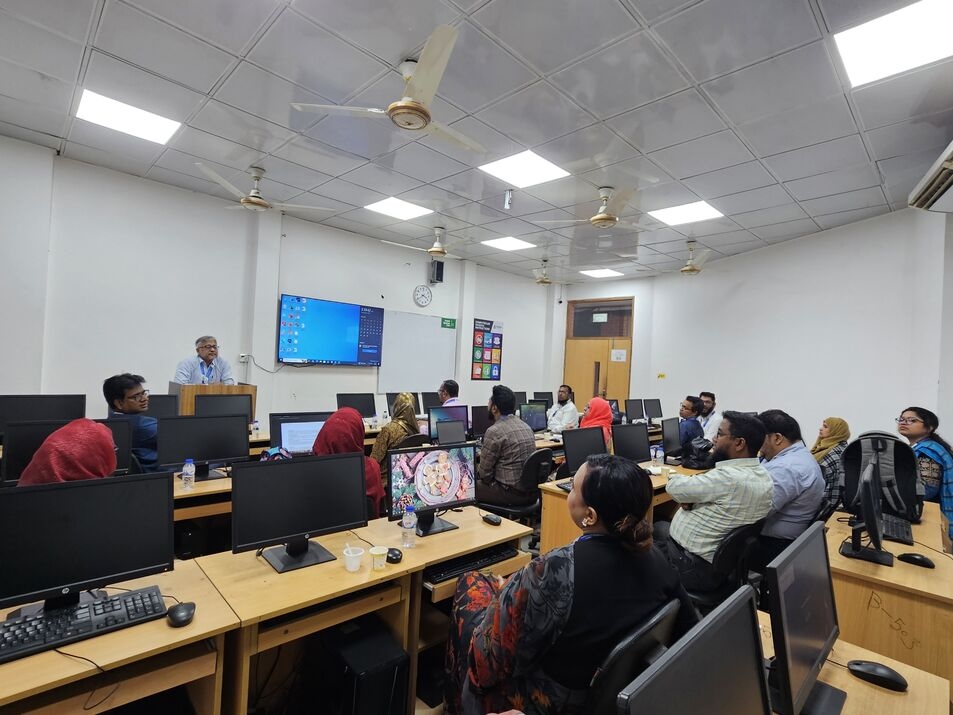
The workshop concluded with a closing session led by Prof. Dr. Mohammed Tareque Aziz, Dean of Green Business School. In his remarks, he highlighted that the workshop had been highly engaging and outcome-oriented, particularly noting the active participation of faculty members in an interactive session focused on the methods and best practices of course file submission. He emphasized that such collaborative discussions are essential for ensuring clarity, consistency, and compliance with academic documentation standards.
In the final segment of the session, the Dean strongly encouraged all faculty members to prioritize the timely and accurate submission of all required course file documents. He also formally announced a fixed timeline for submission, reinforcing institutional commitment to maintaining quality assurance and meeting accreditation requirements.
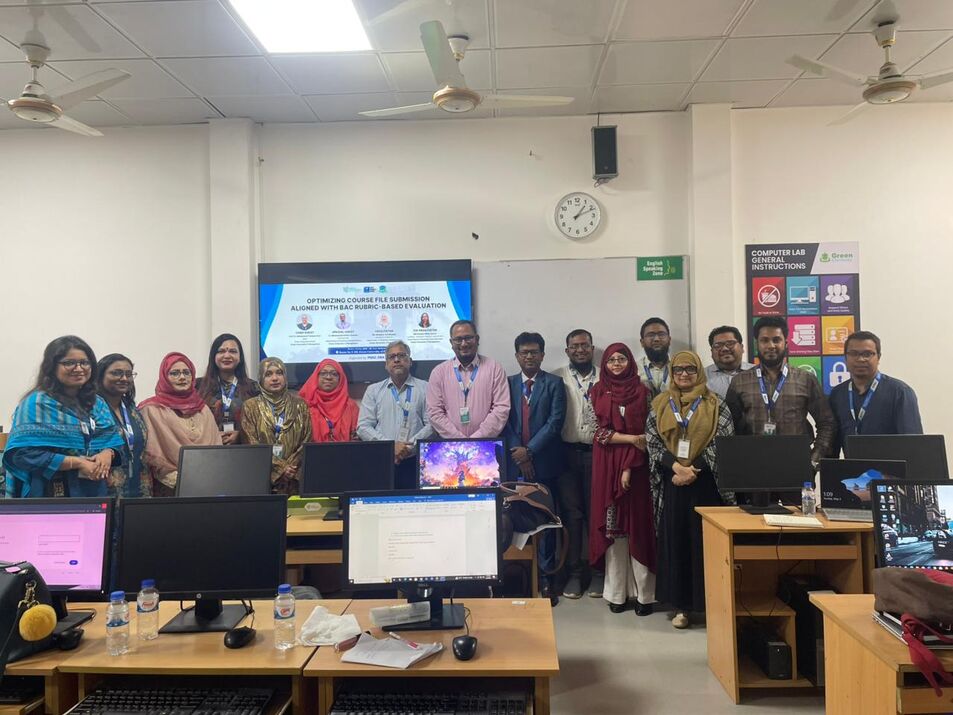
Prof. Aziz extended his sincere appreciation to the Chairperson, Department of Business Administration facilitators, and all participants for their valuable contributions. He also conveyed special thanks to the PSAC of Green Business School for their dedicated efforts in organizing and coordinating the workshop, which significantly contributed to its overall success.
In addition to facilitated discussions, participants of the workshop actively participated in hands-on practice exercises that provided them with valuable knowledge of best practices.
Latest News
Find Us
- Purbachal American City, Kanchan, Rupganj, Narayanganj-1461, Dhaka, Bangladesh
+880-9614-482482, 01324-713502, 01324-713503, 01324-713504, 01324-713505, 01324-713506, 01324-713507, 013247-13508
- addmission@green.edu.bd
Departments
Centers
- Center for Career Development (CCD)
- Center for Language and Cultural Studies (CLCS)
- Center For Research Innovation and Transformation and Sustainability(CRITS)
- Center for International Affairs (GCIA)
- Center of Excellence for Teaching And Learning (CETL)
- Center for Continuing Education (CCE)
- Institutional Quality Assurance Cell(IQAC)
Offices
- Office of the Vice Chancellor
- Office of the Pro Vice Chancellor
- Office of the Treasurer
- Office of the Registrar
- Office of the Exam Controller
- Office of the Admission
- Office of the Accounts
- Office of the GCITS
- Office of the Proctor
- Office of the Library
- Coordination Office
- Office of the Public Relation
- Office of the Student Affairs
- Medical Center
- Office of Logistics
- Others Office
© 2003-2026 Green University of Bangladesh. All Rights Reserved.
Developed by GCITS